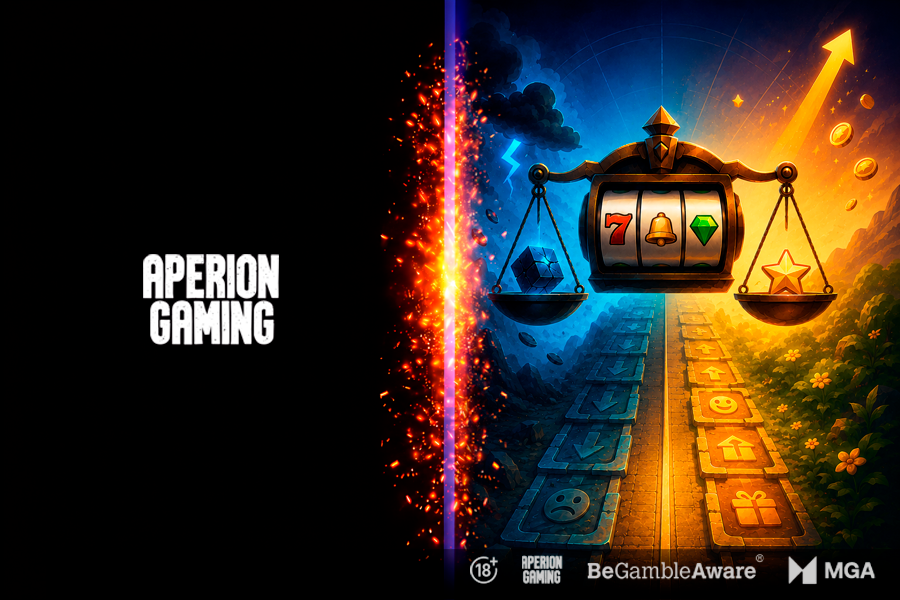
RTP, or return to player, is often the first number players notice. It is visible, comparable, and widely treated as a benchmark of fairness. But in practice, RTP alone rarely defines whether a game actually feels enjoyable to play.
The real difference lies in the gap between theoretical return and actual session experience.

Players do not experience averages. They experience sequences - wins, losses, near-misses, bonus triggers, and the emotional rhythm of a session.
A game with a high RTP can still feel frustrating if volatility creates long stretches without meaningful interaction. Meanwhile, a lower-RTP title with smoother pacing and well-balanced hit frequency may keep players engaged far longer.
Hit frequency, bonus timing, volatility curves, and session flow all influence how long players stay and how they feel when they leave. These elements shape perception just as much as the mathematics behind the game.
Operators increasingly track session duration, return visits, and engagement quality rather than RTP positioning alone. A game that keeps players engaged for 40 minutes will often outperform one that loses attention within ten.
For studios, sustainable engagement comes from balancing mathematics with pacing, psychology, and player flow. RTP may define the framework, but session experience is what players actually remember.
Send us a message.

