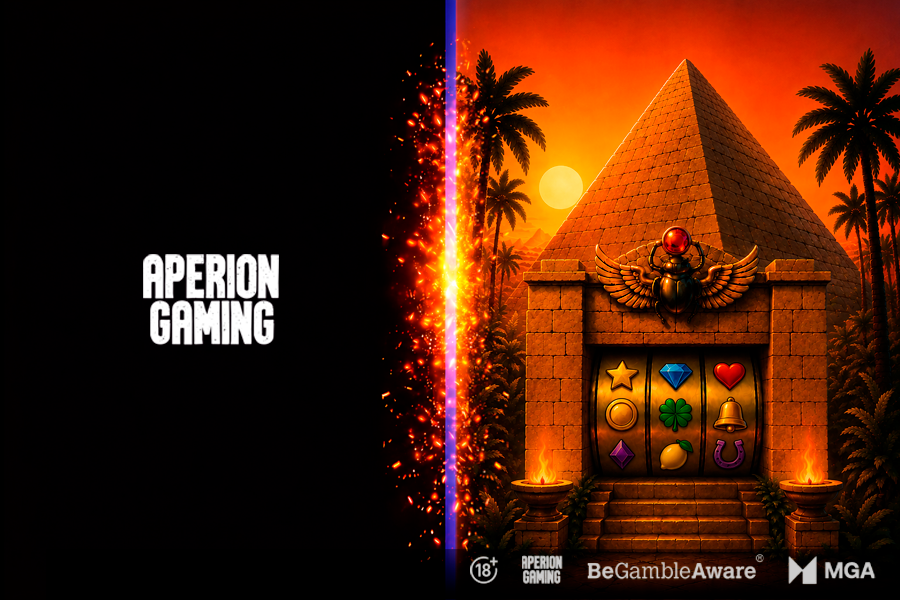
Early slot animations were functional at best - spinning reels, a flash of color on a win, and nothing more. Today, animation is a core design discipline that directly influences how players perceive a game, feel during play, and remember the experience afterward.
The evolution happened in stages, each unlocking a new layer of player feedback:
Static frames - early reel stops with minimal motion, purely mechanical in feel
Win celebrations - coin showers and flashes that gave emotional weight to payouts
Symbol transformations - wilds that expanded, multipliers that animated, adding narrative logic
Environmental reactions - backgrounds that shifted with game state, reinforcing volatility and mood
Full cinematic sequences - bonus intros and feature cutscenes that create genuine anticipation
The shift happened alongside mobile hardware improvements. As processing power increased, developers could move beyond frame sequences into fluid, reactive motion. The challenge now is restraint - every animated element should perform a function, not just fill space.
The studios that get this right treat animation as part of the game's communication system. The ones that get it wrong produce titles that look impressive in a trailer and exhausting in a session.
Send us a message.

