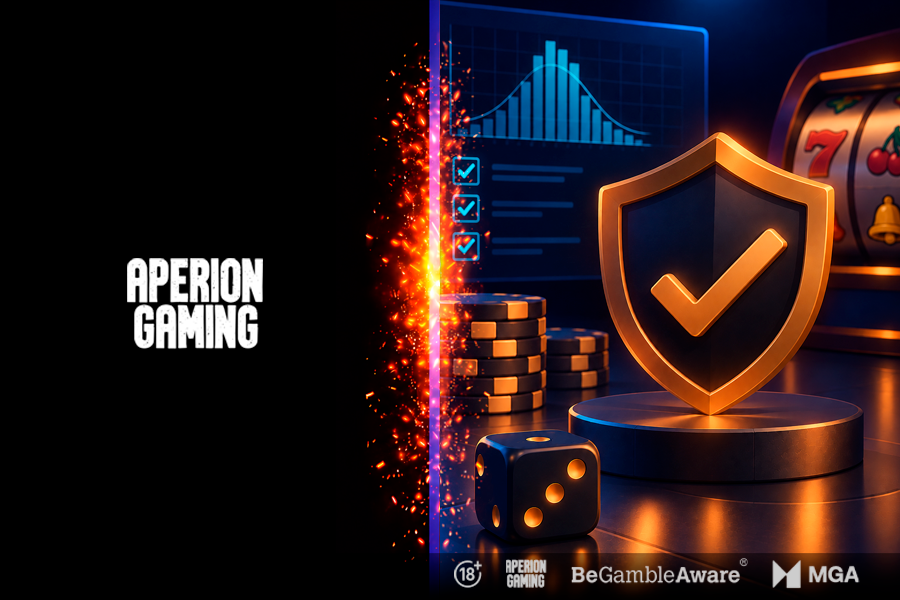
Most players will never see a single line of code behind the games they play. That is exactly why RNG certification exists.
Anyone can print “provably fair” on a lobby page. The claim costs nothing to make. What actually matters is whether the random number generator behind the game has been tested, verified, and certified by an independent authority – not declared by the studio that built it.
Certification bodies run statistical testing on the generator itself, checking for patterns, bias, and predictability across millions of simulated rounds:
Randomness distribution – confirms outcomes are not skewed toward or away from particular results.
Statistical independence – ensures one spin has no influence on the next.
Long-term RTP alignment – verifies the game pays out what it claims to, over volume.
Seed and algorithm integrity – confirms the generator cannot be predicted or reverse-engineered.
For players, this process is invisible. They never see the audits or the compliance reports behind a spin – and that invisibility is the point. Certification is meant to work quietly in the background, so the only thing players experience is a game that behaves the way it says it does.
At Aperion Gaming, no RNG reaches a live game until it has cleared that process. Fairness is not something we ask players to take on faith – it is verified before it ever becomes a claim.
Send us a message.

