Localization is often reduced to translation. In reality, it plays a much bigger role. For us, it directly impacts how players discover a game, interact with it, and ultimately decide whether to stay.
In a global iGaming market, players rarely engage with products that feel foreign or generic. Games perform better when they naturally match local expectations. Language matters, but so do visual cues, pacing, symbols, and interaction logic. These details shape how intuitive and comfortable the experience feels from the very first session.
When localization is done right, it helps to:
build trust through cultural familiarity,
increase engagement and session duration,
make games accessible across different markets,
align experiences with local regulations and player habits,
support long-term retention through clarity and usability.
To understand how this works in practice, localization can be viewed as a series of design decisions that directly influence player experience:

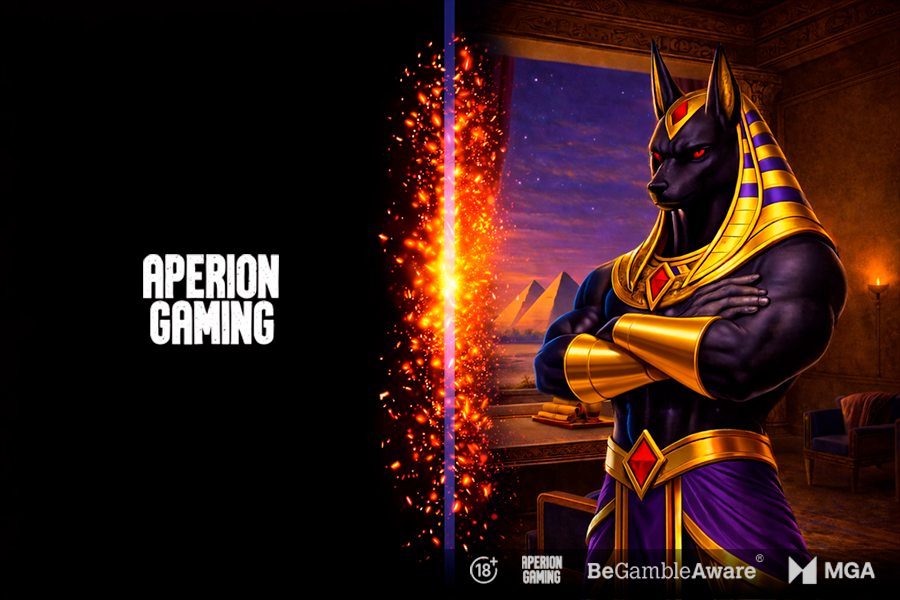
A good example is Anubis’ Dream, a high-volatility Egyptian-themed slot featuring tumbling reels and multiplier mechanics.
Here, localization extends far beyond language adaptation. In European markets, the experience emphasizes clarity, structured interfaces, and feature transparency. In other regions, the same mechanics are supported by more dynamic visual feedback, richer animations, and faster pacing aligned with local player preferences.
We treat localization as part of game design from the very beginning, not as a final production step. Combining cultural insight with player behavior allows games to scale globally while still feeling natural and relevant to each audience.
Send us a message.

